The Origins of Horizon Hospice
Western medicine has had a difficult history with the natural process of dying. Understandably, medical resources are focused on preserving life. Everyone wants more time with their loved ones, and many illnesses and injuries can be healed by the heroic application of modern medicine. But the body is a finite structure, and focusing on solely repairing it fails to address how to care for those who face the end of life.
Horizon Hospice was formed when hospice care and palliative medicine were relatively new ideas in Western medical practice. Inspired by the hospice movement in the United Kingdom, which was led by nurse Cicely Saunders, a group of concerned Chicagoans took up a similar effort to provide palliative and end-of-life care to the people of their city. Founding members included Ada Addington, Rev. J. Wilson Reed, Dr. Francis Duda, and Sharon Bunyan. They crafted a proposal and created Horizon Hospice, officially incorporated in 1978 as the first hospice in Chicago.
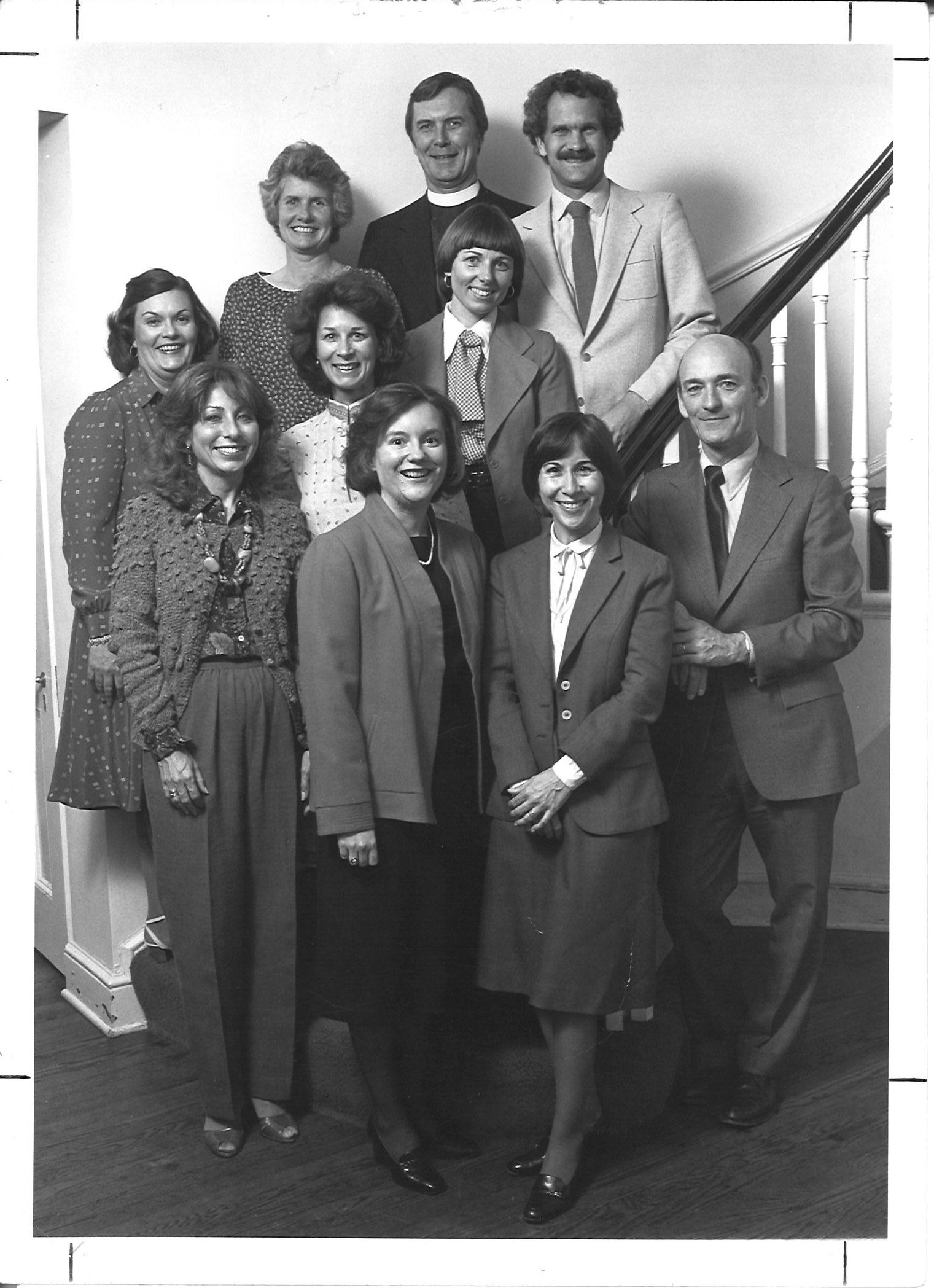
As the organization grew, Horizon Hospice developed numerous projects to ensure that people in Chicagoland received the care and assistance they needed—medical, emotional, and practical—as they or their loved ones faced the end of life, regardless of their ability to pay. The hospice created in-patient hospice care units, AIDS treatment homes, formed community support groups, and connected volunteers with end of life patients in need of support. They raised awareness around the culture of death, provided materials to educate the community about the process of dying, complementary alternative therapies, and important legal terms such as Advance Directives.
After 37 years of serving Chicagoland, Horizon Hospice merged with JourneyCare and Midwest CareCenter to form JourneyCare. This exhibit contains photographs, drafts, proposals, Articles of Incorporation, and more relating to the founding and formative years of Horizon.