Building for Chicago's People
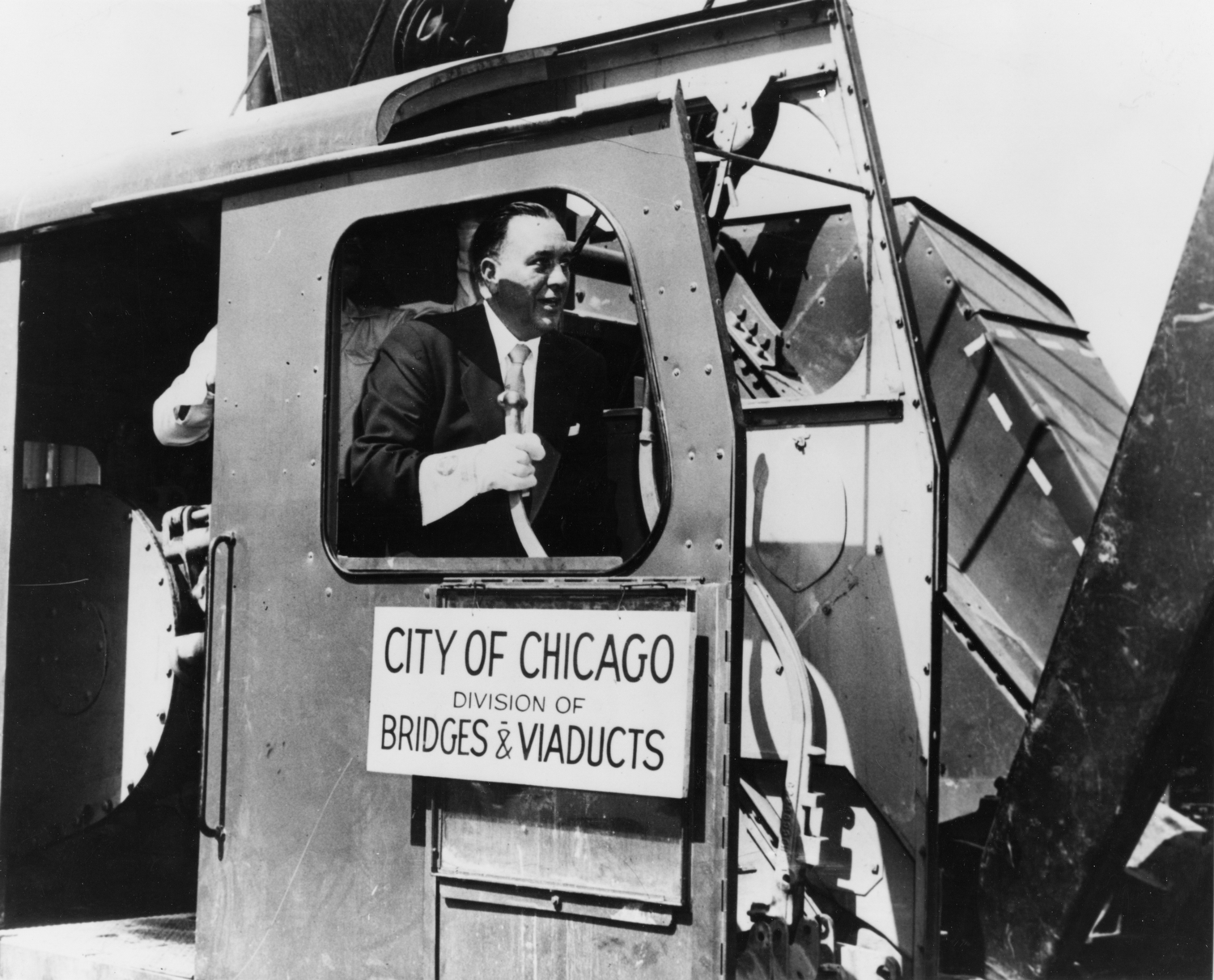
img: [Richard J. Daley operating a piece of construction equipment, ca. 1950s. RJD_04_01_0040_0005_007]We want to do three things here in Chicago. We want to make Chicago an international city. We want to bring headquarters for companies in here. And we want to build Chicago for its people.
Mayor Richard J. Daley, as quoted by A. Robert Abboud, First National Bank of Chicago, President, interview excerpt, December 3, 2009
I think he did a great job of building the city, turning it into a great city, and interacting with the federal government. It was building the city, getting the expressway systems built, getting O’Hare built, getting UIC built, and getting so many of the buildings downtown built. I think he did a great job of turning the city into a world class city.
Robert G. Vanecko, grandson of Richard J. Daley, interview excerpt, March 5, 2010
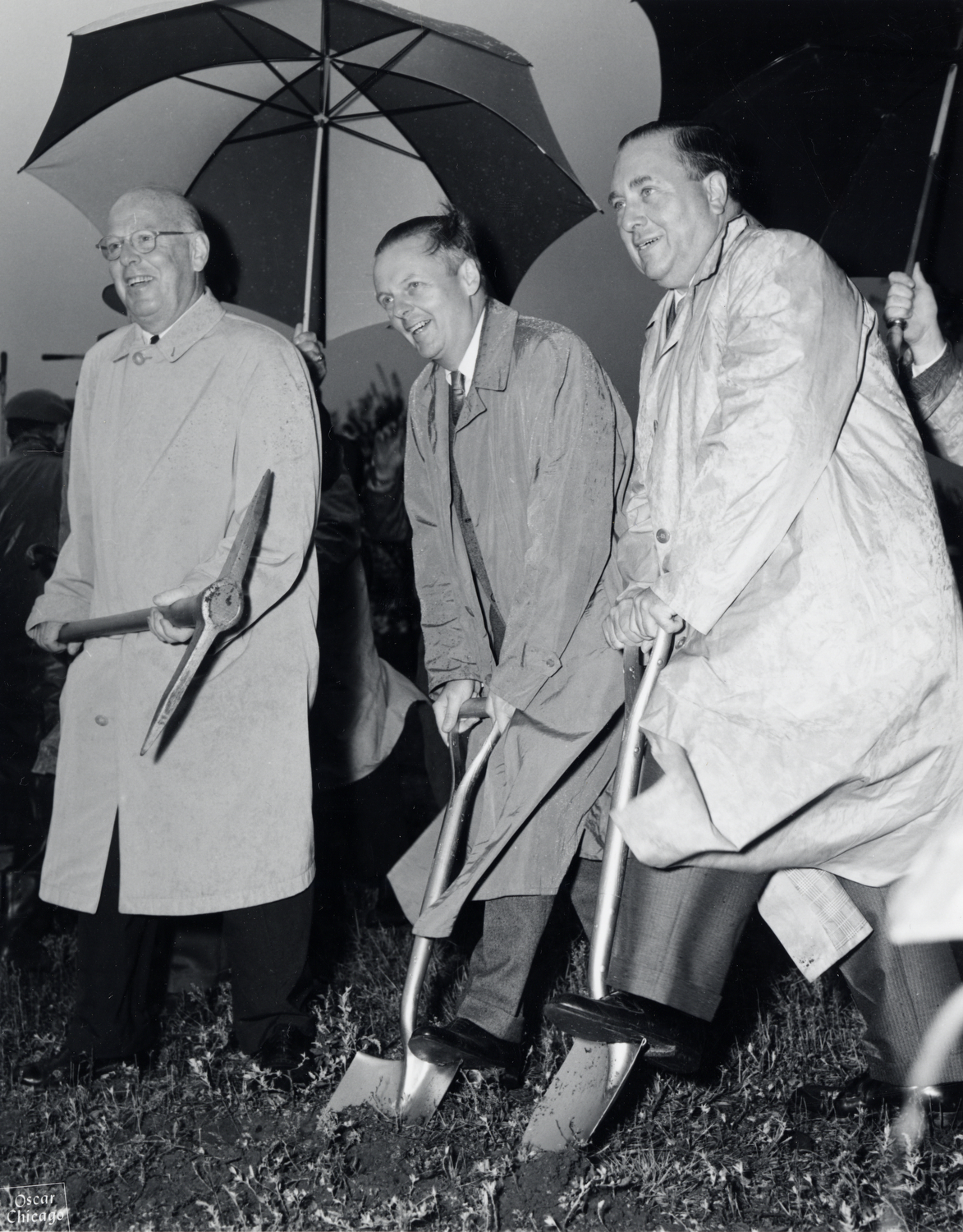
img: [Richard J. Daley, Governor William G. Stratton, and unidentified man with shovels at McCormick Place groundbreaking. RJD_04_01_0014_0003_001]He helped hospitals in their plans for expansion and ways to do things. I would only find out about it sometimes because some CEO of a hospital or someone like that would tell me. “Your father-in-law was very helpful to us, getting these people to come on our board and tell us to go ahead on this.”
Dr. Robert M. Vanecko, MD, son-in-law of Richard J. Daley, interview excerpt, March 8, 2010
Providing services and programs to Chicagoans was part of a larger plan to revitalize the city’s downtown “Loop” area and strengthen its infrastructure.
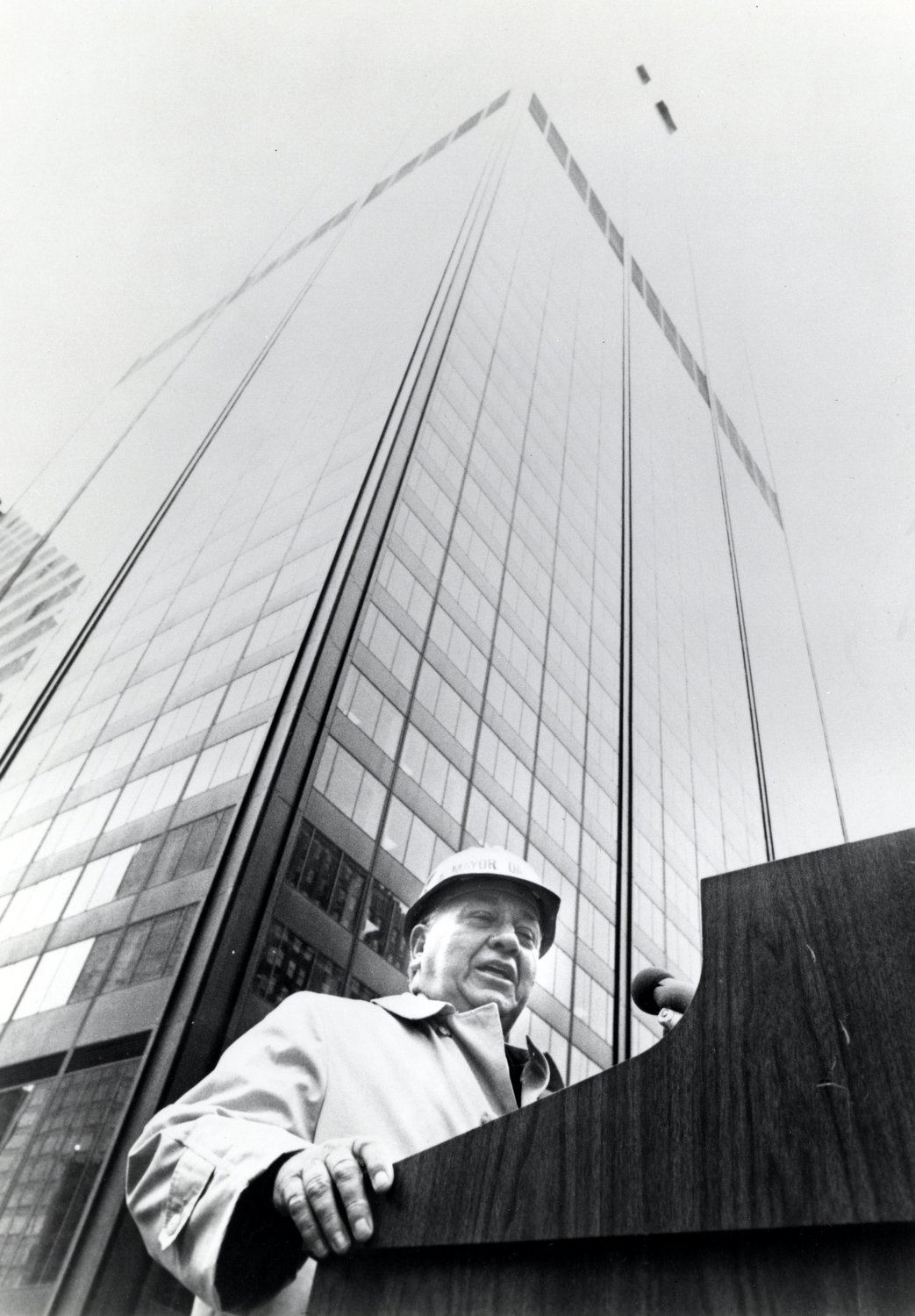
img: [Richard J. Daley giving a speech at an outdoor podium in front of the Sears Tower (now known as the Willis Tower), ca. 1970s. RJD_04_01_0029_0008_010]
Both Mayor Richard J. Daley and later his son, Mayor Richard M. Daley (1989-2011) contributed to the city’s built environment.
Most of the downtown was developed under his dad. Most of the neighborhoods were developed under Rich. We’re lucky to have the Daleys because I wouldn’t want to be going through a new mayor every four years—things would never get done.
Vince Gavin, Daley Security Chief and Liquor Commissioner, interview excerpt, June 19, 2014
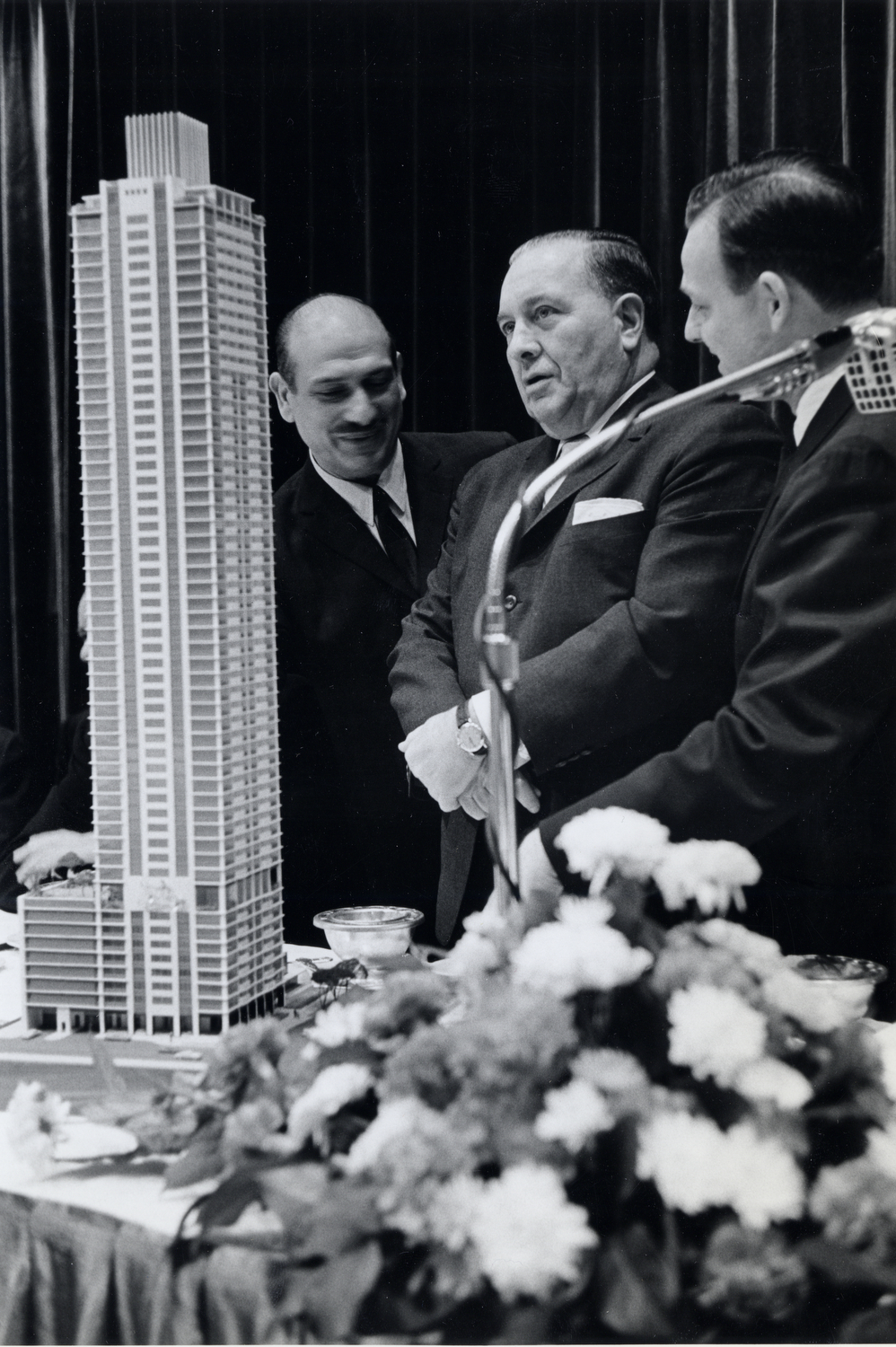
img: [Richard J. Daley with two unidentified men at the groundbreaking ceremony for the 1000 Lake Shore Plaza building, ca. 1964. RJD_04_01_0023_0007_006]
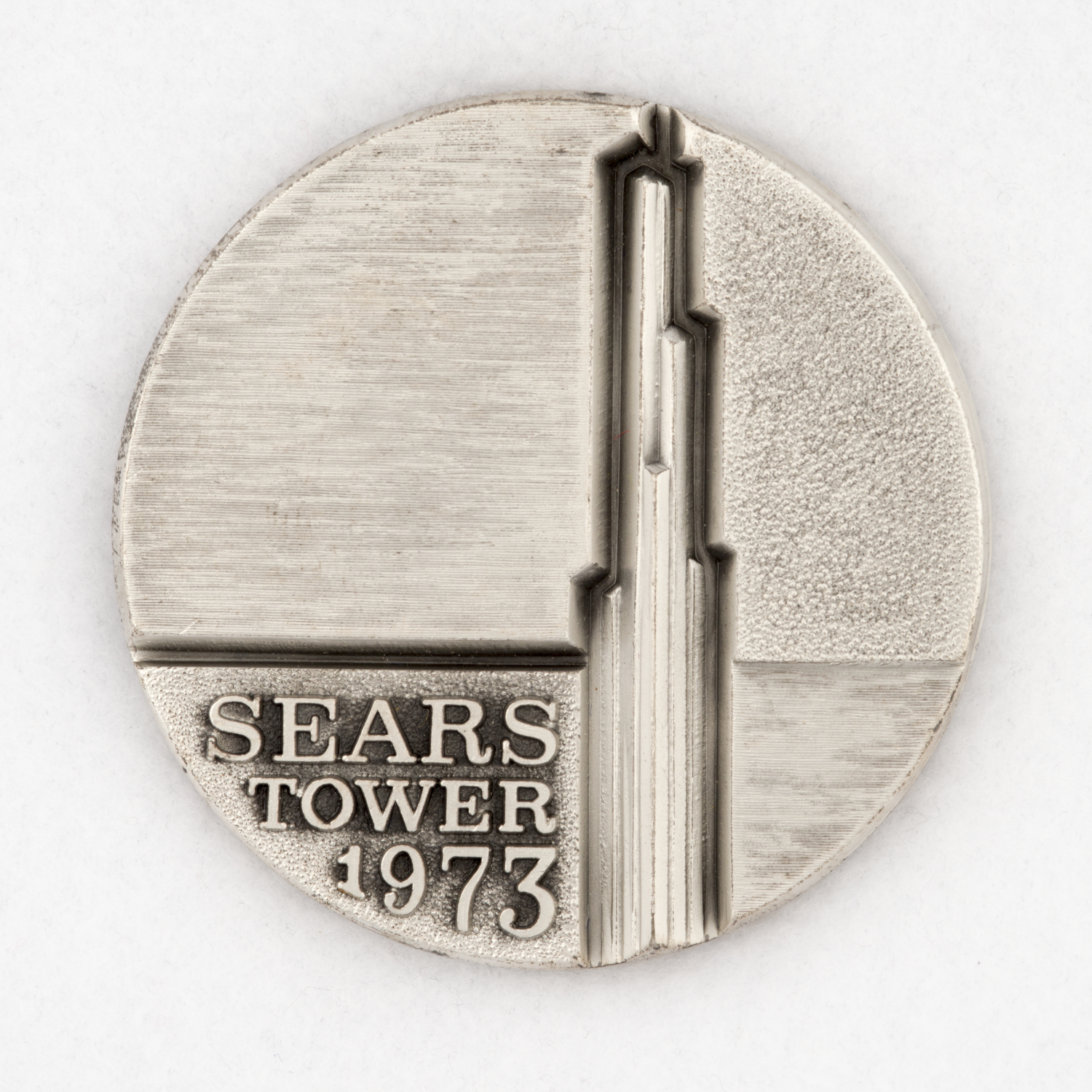
img: [Medallion--Sears Tower, 1973 [front]. RJD_06_01_0041_0008_001a]
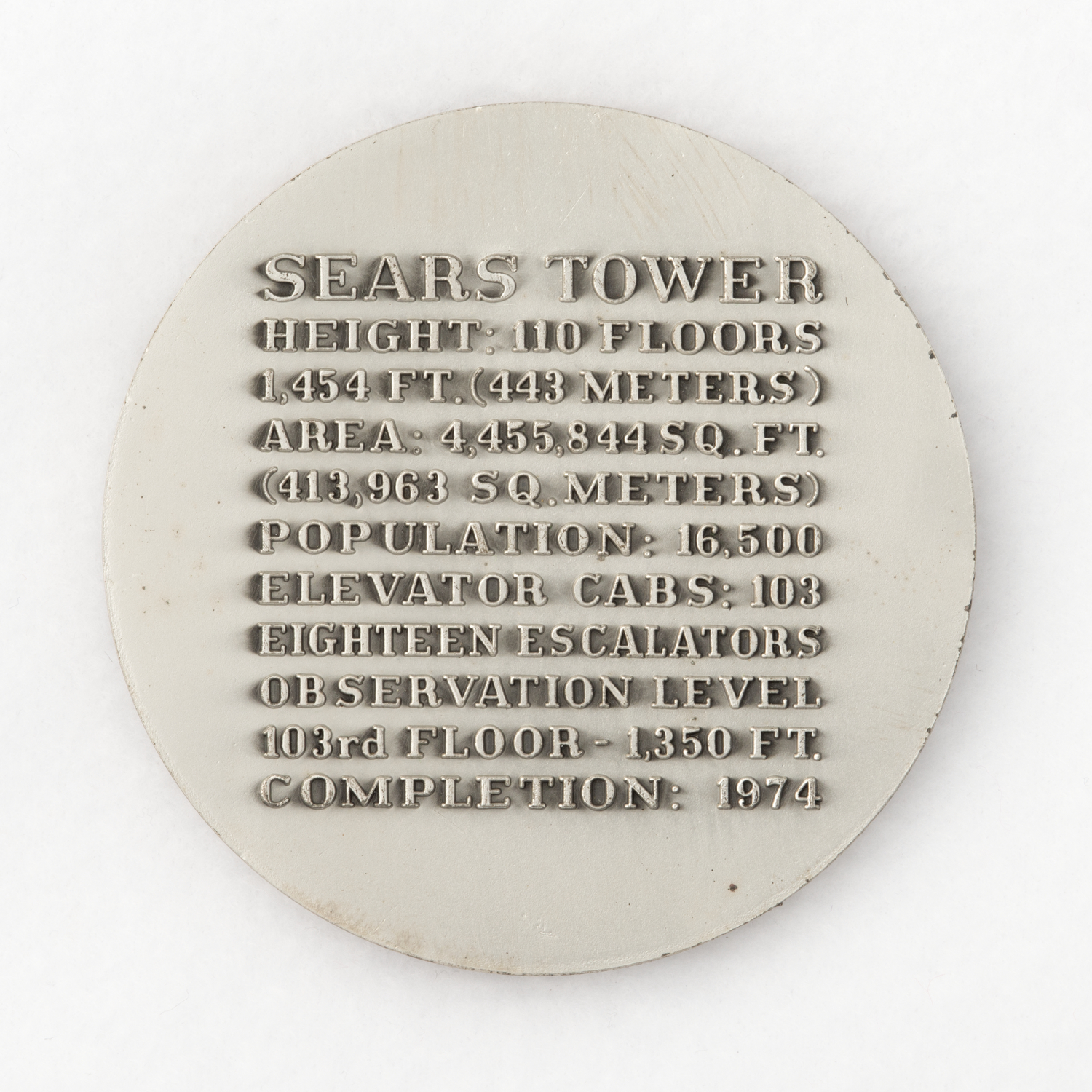
img: [Medallion--Sears Tower, 1973 [back]. RJD_06_01_0041_0008_001b]
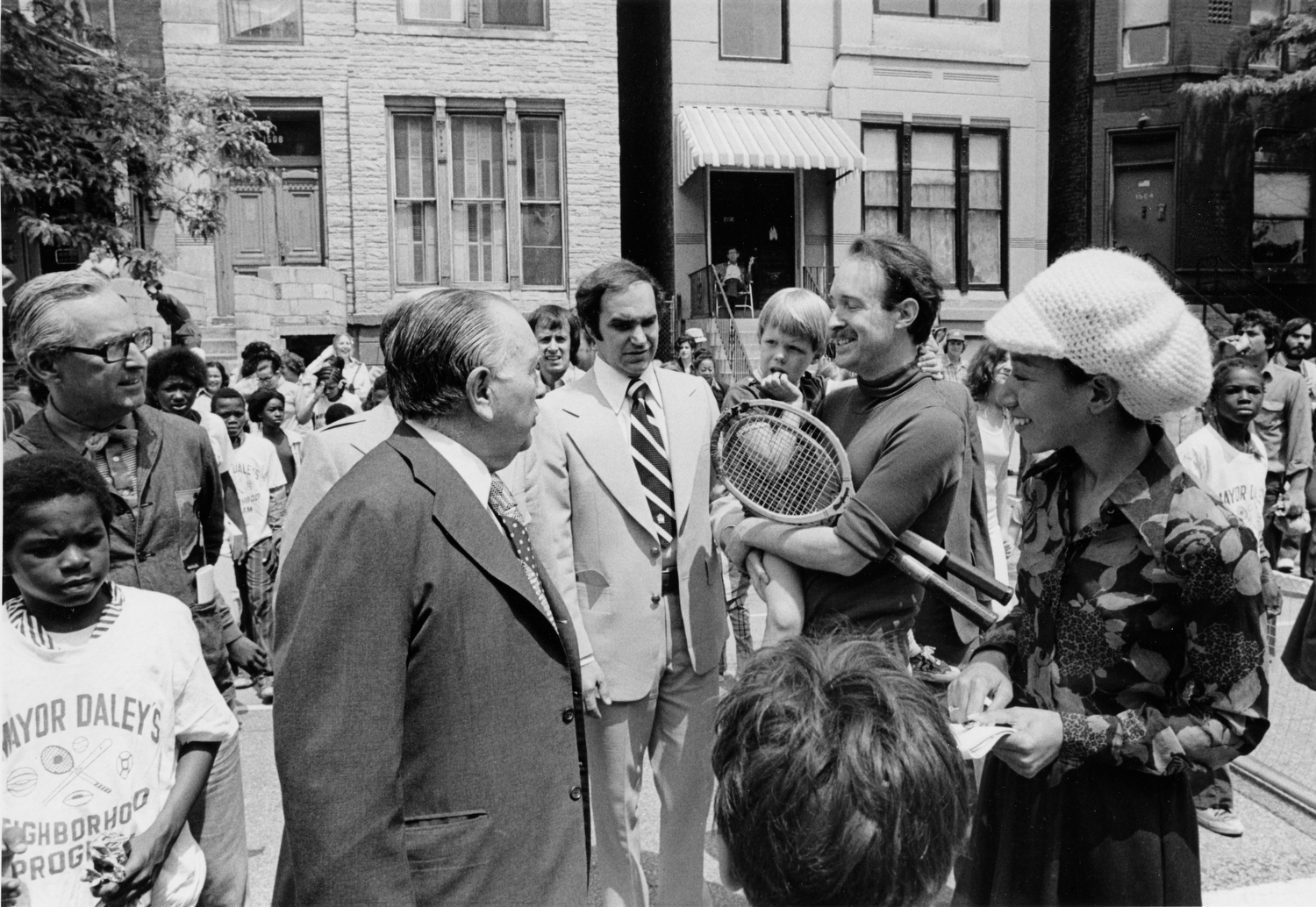
img: [Richard J. Daley visits the 1500 block of West Jackson for an urban renewal project, ca. 1970s. RJD_4_01_0031_0016_001]
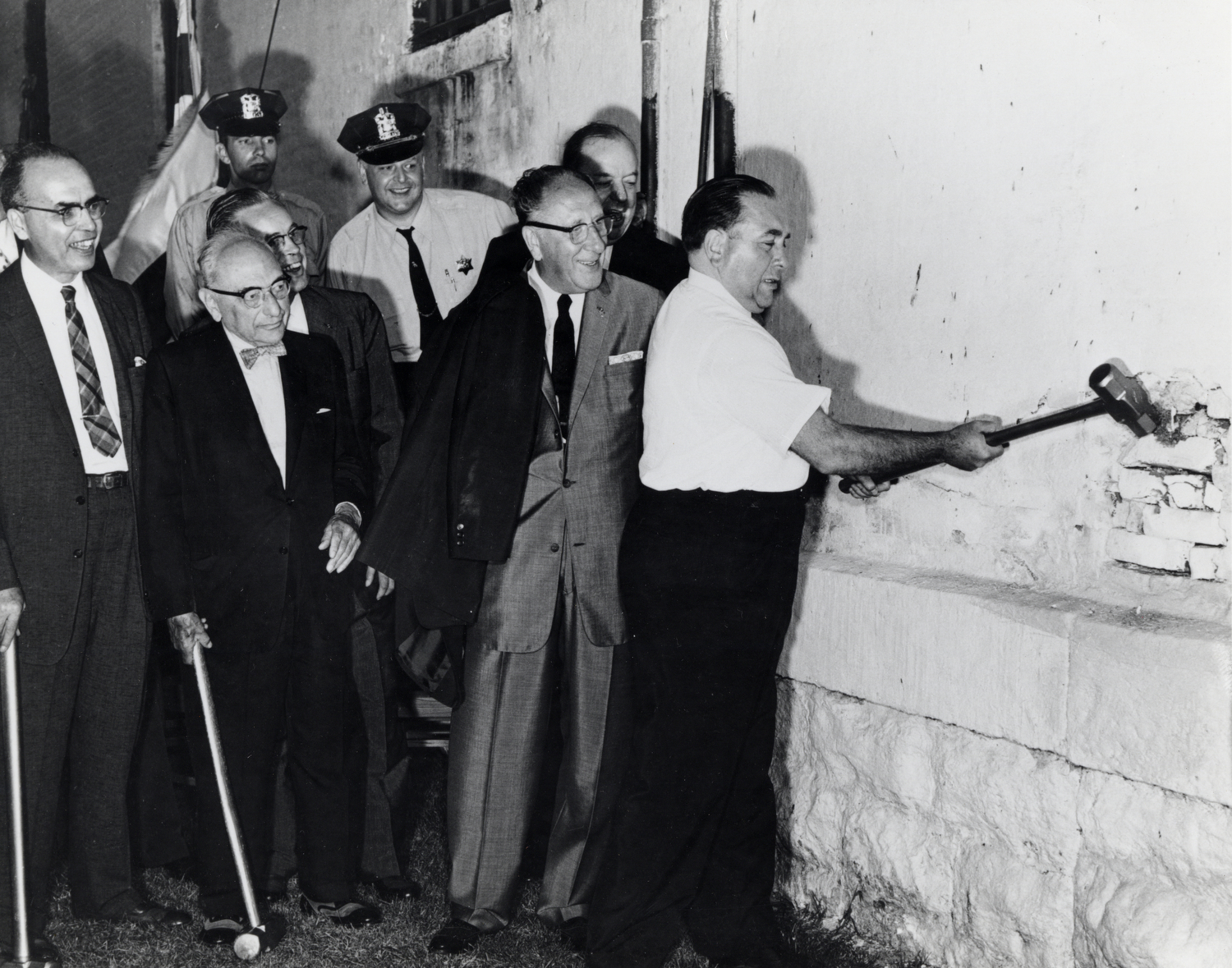
img: [Richard J. Daley at new county jail site, ca. 1960s. RJD_04_01_0017_0001_016]
img: [Crawford Parker (Indiana's lieutenant governor), and Richard J. Daley lift the barricades to through traffic on the Calumet Skyway, April 16, 1958. RJD_04_01_0014_0004_003]
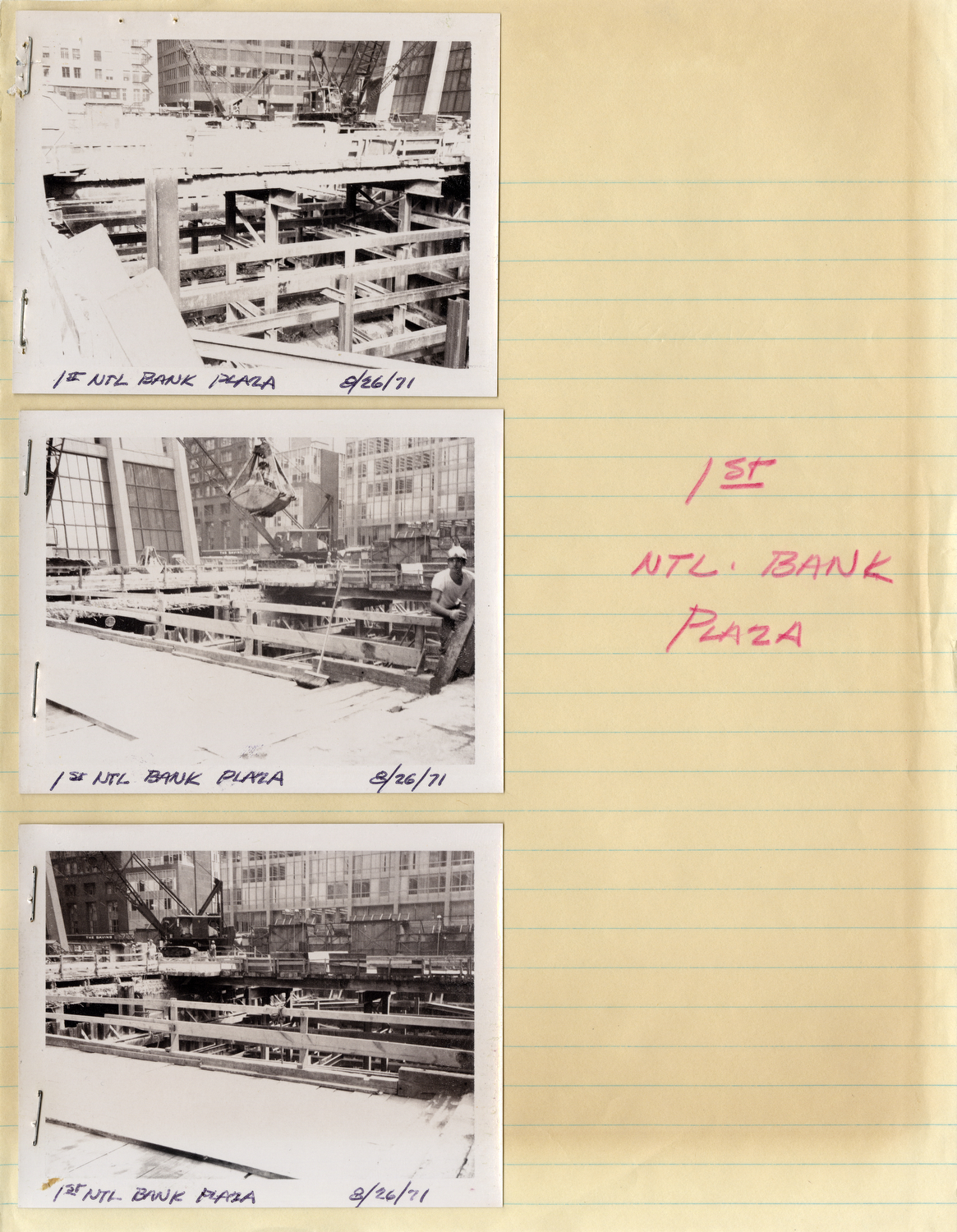
img: [Construction of the First National Bank Plaza (3 shots), 1971. RJD_04_01_0033_0002_016]
To pay for Chicago’s services, Daley secured funds from a variety of sources. He used the city’s taxing authority when necessary, but he also wanted to ensure Chicago retained control of how that money was spent. That part of his job became easier when the new Illinois Constitution of 1970 granted home rule status to the city. Home rule meant that Chicago enjoyed greater discretion of when and how to tax, regulate, and perform certain services.
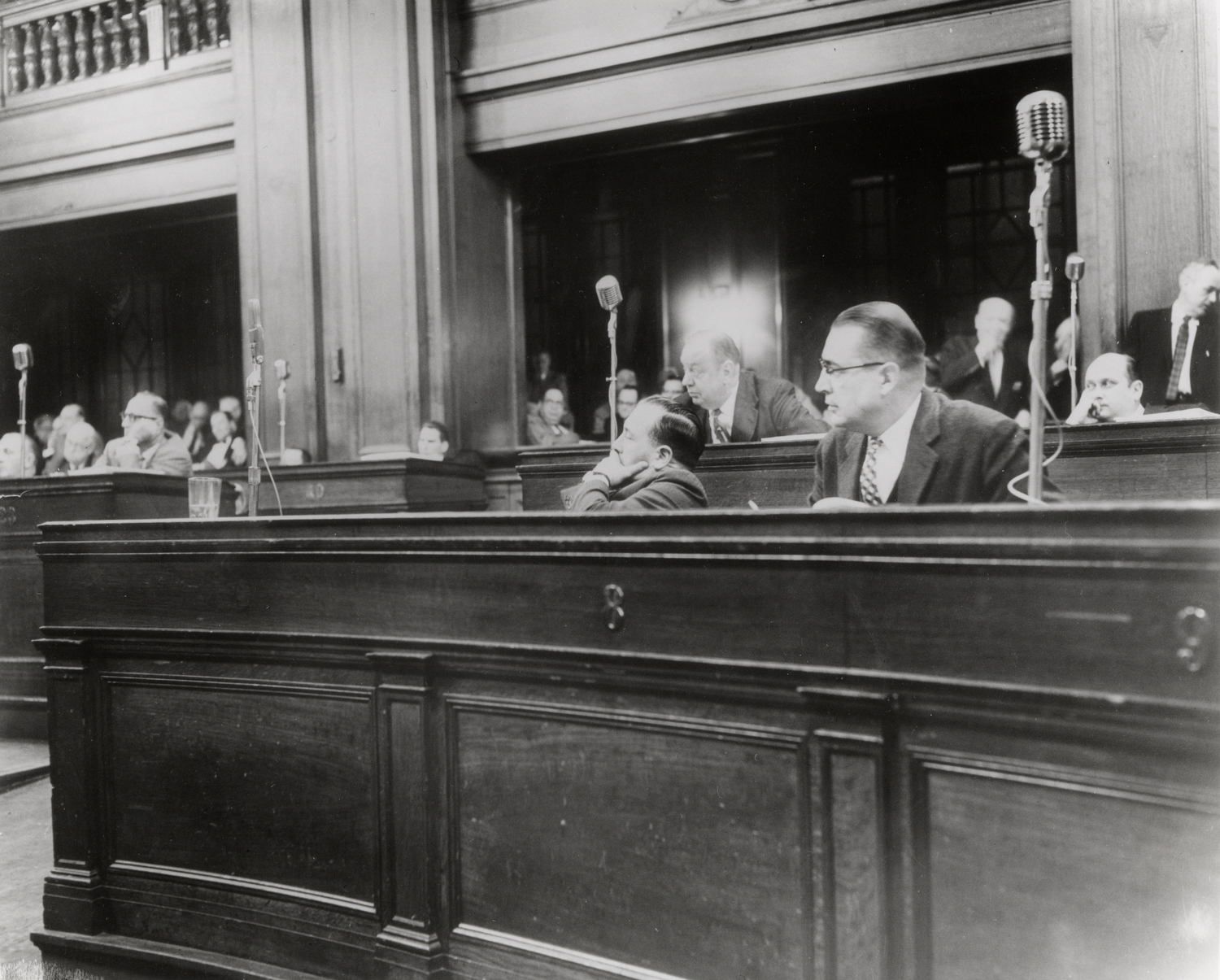
img: [Richard J. Daley listening to a speaker at the Illinois General Assembly. This photo was likely taken in 1950, five years before he became mayor. RJD_04_01_0047_0006_026]
Federal aid was important. Daley worked with Illinois’s congressional delegation to ensure Chicago received its share of national revenue.So the mayor wanted to keep Chicago’s taxing authority and Chicago’s ability to regulate independent of the General Assembly. So rather than trying to pass off responsibility to suburban communities or to county government, he wanted to centralize control in the city of Chicago….He didn’t want municipal functions to be broadened out into the region or the county. He wasn’t trying to save taxpayers money by diverting responsibilities for the various city functions to the broader governmental agencies.
Ray Simon, Corporation Counsel City of Chicago, interview excerpt, June 30, 2010
img: [Richard J. Daley on his way to a congressional dinner, 1960. RJD_04_01_0019_0009_004]
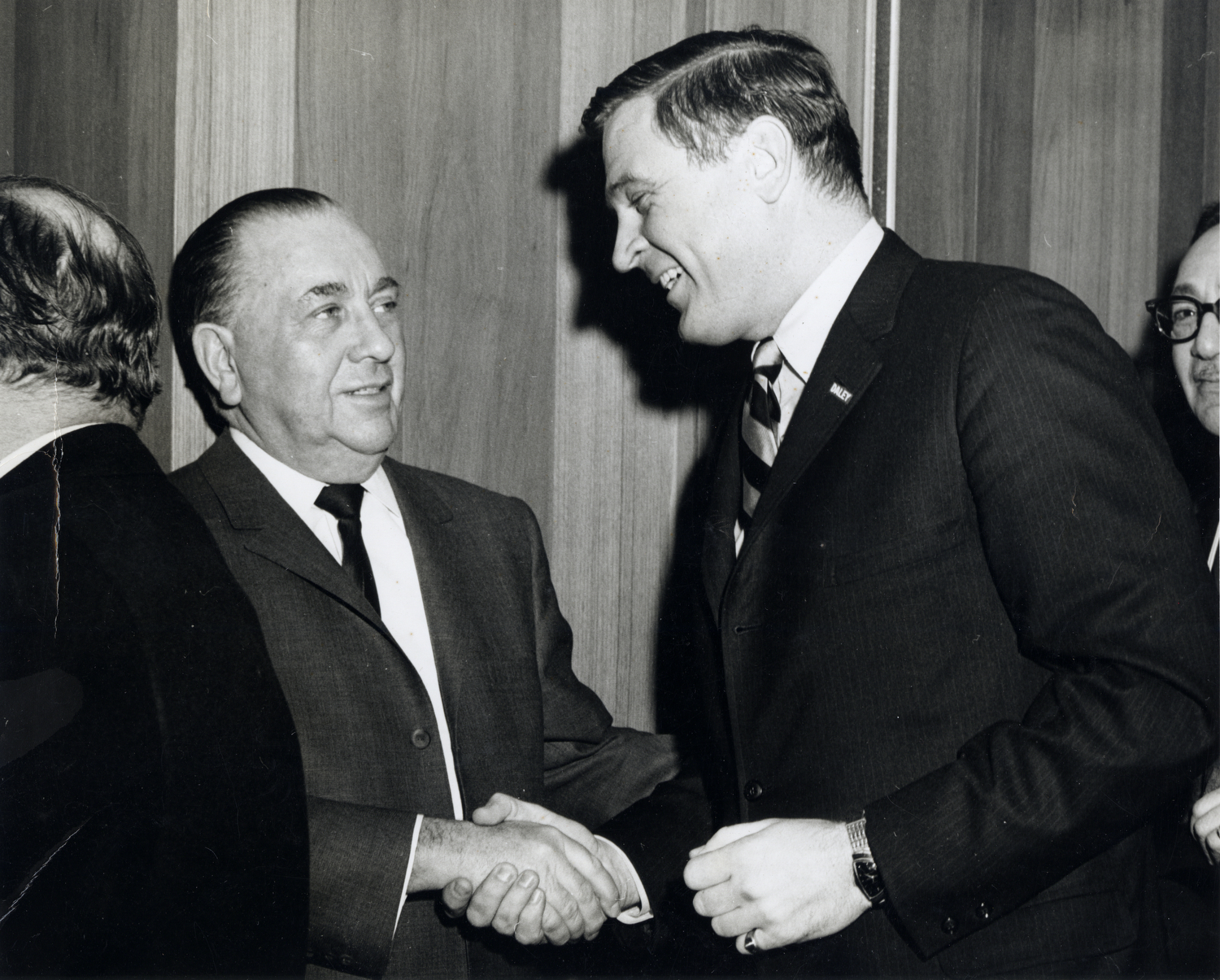
img: [Richard J. Daley shaking hands with Congressman Dan Rostenkowski, ca. 1960s. RJD_04_01_0016_0001_012]
He was very shrewd in his relationship with Washington, D.C. He had a close relationship with Dan Rostenkowski, who was Chairman of Appropriations. Rostenkowski helped get him get the money to build the expressways, like the Dan Ryan and the improvements on the Kennedy. He was very much interested in transportation.
Burton Natarus, Attorney and Alderman from the 42nd Ward from 1971-2007. Interview excerpt, June 16, 2010
This page has paths:
This page references:
- IMAGE_RJD_04_01_0047_0006_026
- Interview transcript: A. Robert Abboud, December 3, 2009
- Interview transcript: Burton Natarus, June 16, 2010
- Interview transcript: Vince Gavin, June 19, 2014
- Interview transcript: Ray Simon, June 30, 2010
- IMAGE_RJD_04_01_0016_0001_012
- Interview transcript: Robert G. Vanecko, March 5, 2010
- Interview transcript: Robert M. Vanecko, March 8, 2010
- IMAGE_RJD_04_01_0014_0003_001
- IMAGE_RJD_04_01_0014_0004_003
- IMAGE_RJD_04_01_0017_0001_016
- IMAGE_RJD_04_01_0019_0009_004
- IMAGE_RJD_04_01_0023_0007_006
- IMAGE_RJD_04_01_0029_0008_010
- IMAGE_RJD_04_01_0033_0002_016
- IMAGE_RJD_04_01_0040_0005_007
- IMAGE_RJD_4_01_0031_0016_001
- IMAGE_RJD_06_01_0041_0008_001a
- IMAGE_RJD_06_01_0041_0008_001b
- AUDIOCLIP_RJDOH_01_fitzgerald_joseph_20140724
- CLIP_ RJDOH_01_abboud_robert_20091203
- CLIP_RJDOH_01_christensen_robert_20030908